01 — Industrial AI software
Prodeegy
Test with AI, across the full product life cycle
The challenge
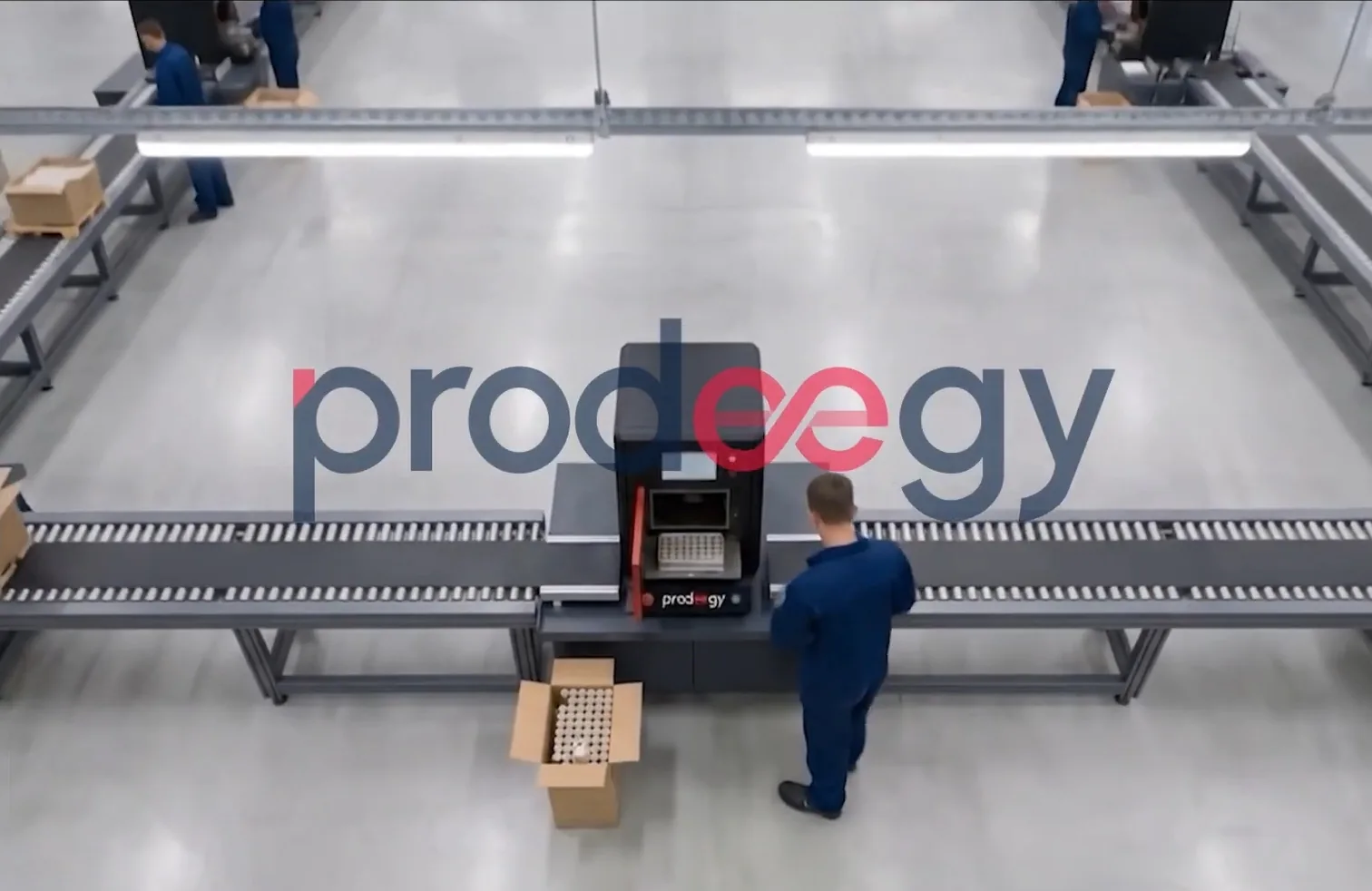
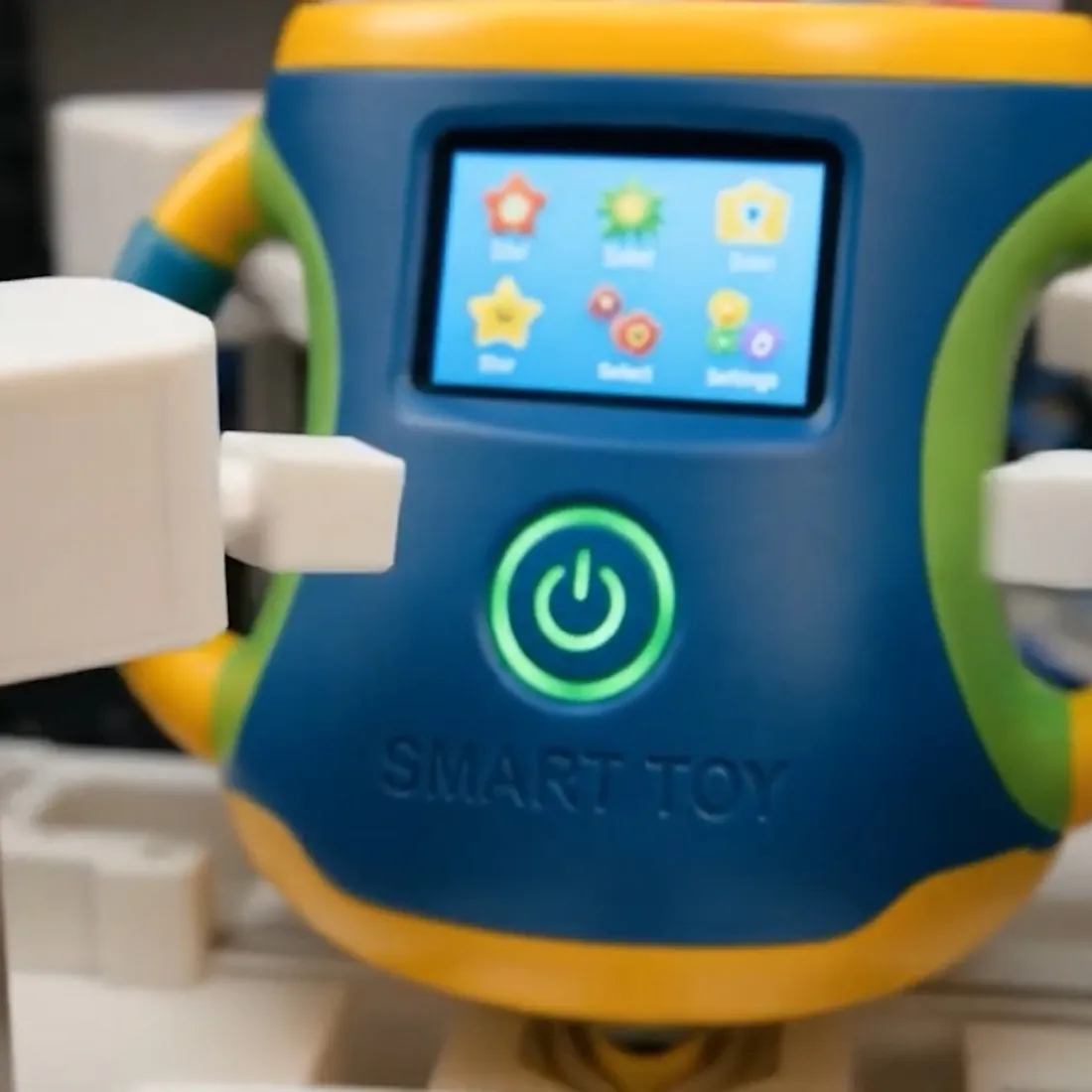
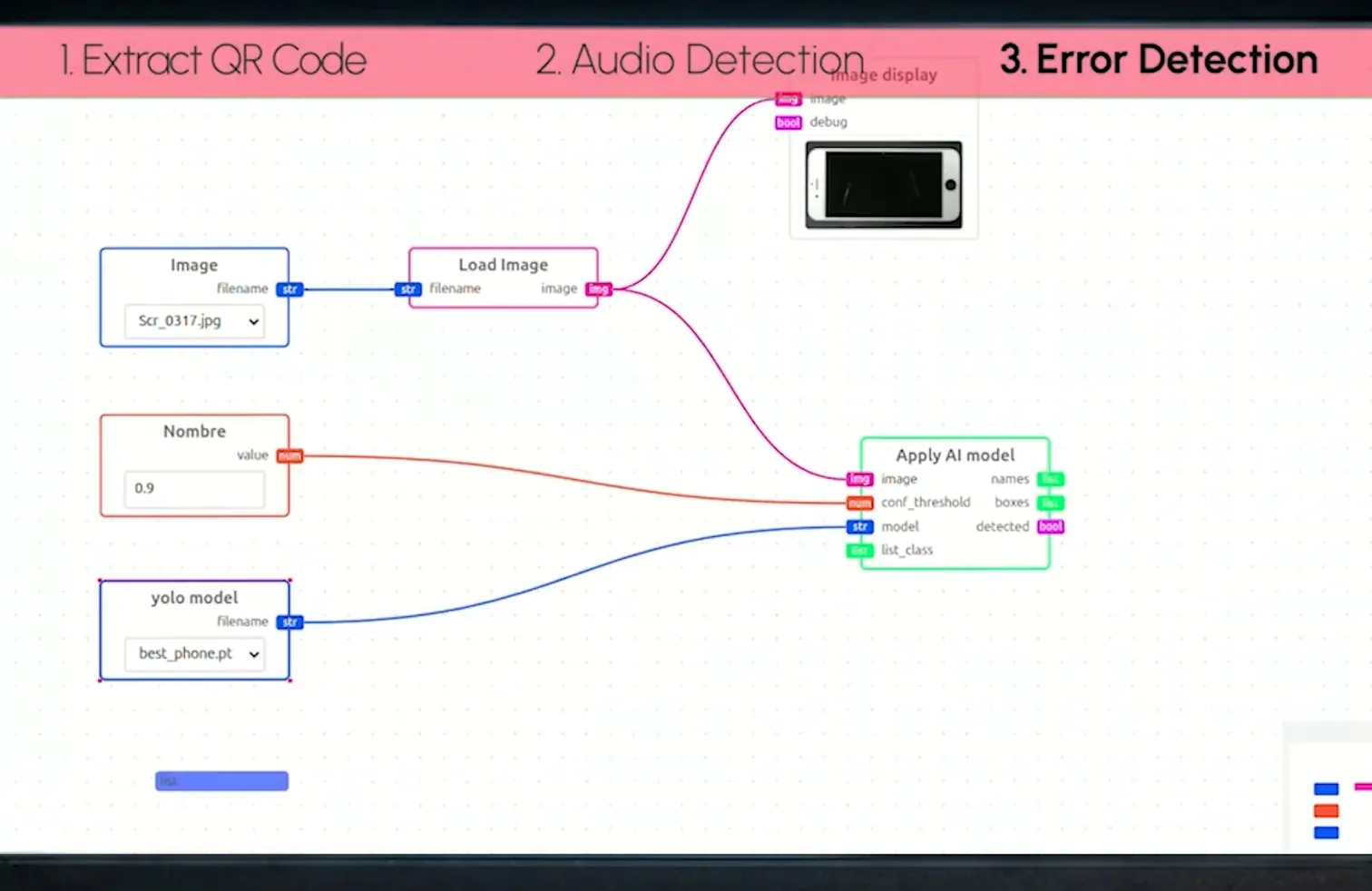
Prodeegy is Exceenis’ AI test platform: a six-axis robot that qualifies an electronic product, follows it into mass production, and picks it up again for repair. The robot was the easy part. Every new product meant an engineer re-writing a test sequence by hand, and on the floor operators drove the bench through a spreadsheet of coordinates and a wall of status codes. The brief was to erase both — setup without code, and a verdict readable at a glance from two metres away, wearing gloves.
The response
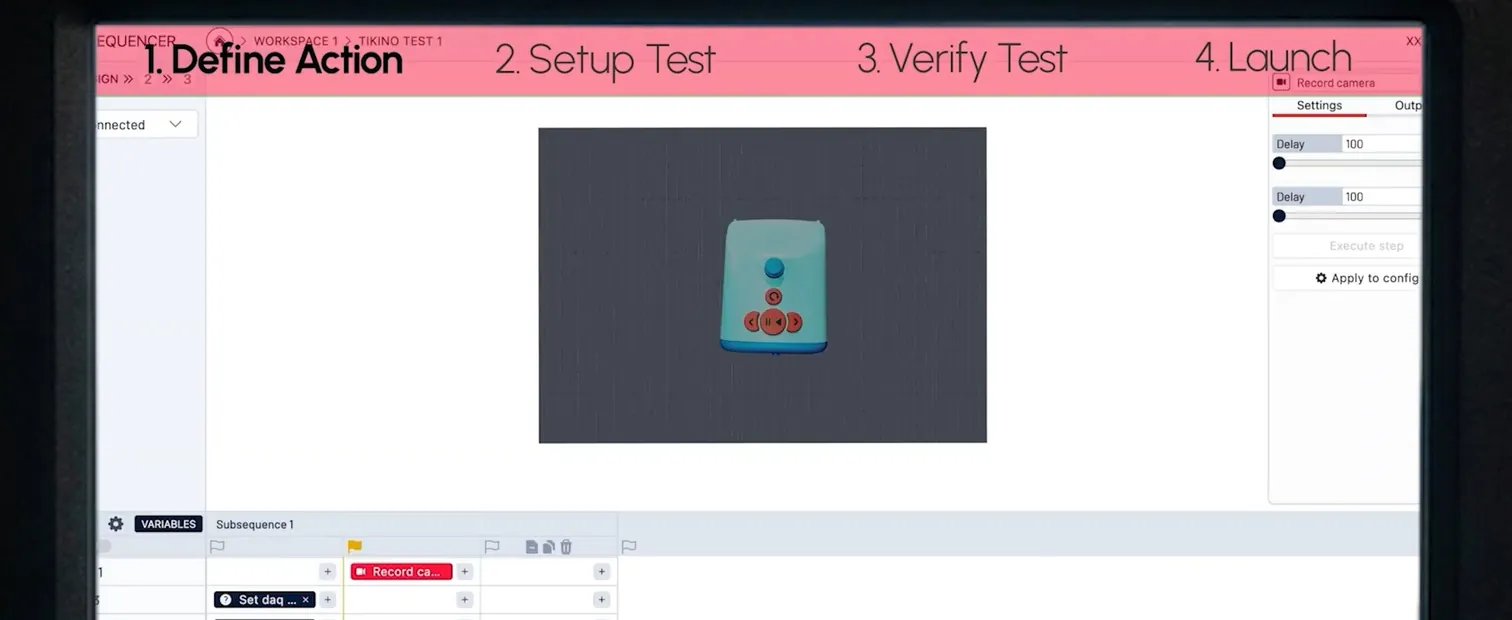
I built a live 3D twin of the arm at the centre of the interface and hung every control off it. Position, torque and test state are read from the model itself rather than from a table, and the AI’s defect verdict lands on the segment that produced it. Sequences are composed by pointing at the board instead of typing coordinates, so switching product is a change of file, not a change of code.
01 — Approach
The machine is the interface.
I spent the first week on the floor watching operators work. They never read the numbers — they watched the arm. So the numbers moved into the arm: joint angles rendered as arcs on the model, failure states as a colour wash on the affected segment. The table stayed, but demoted to an audit trail.
02 — Design system
A charter built for a factory, not a screen.
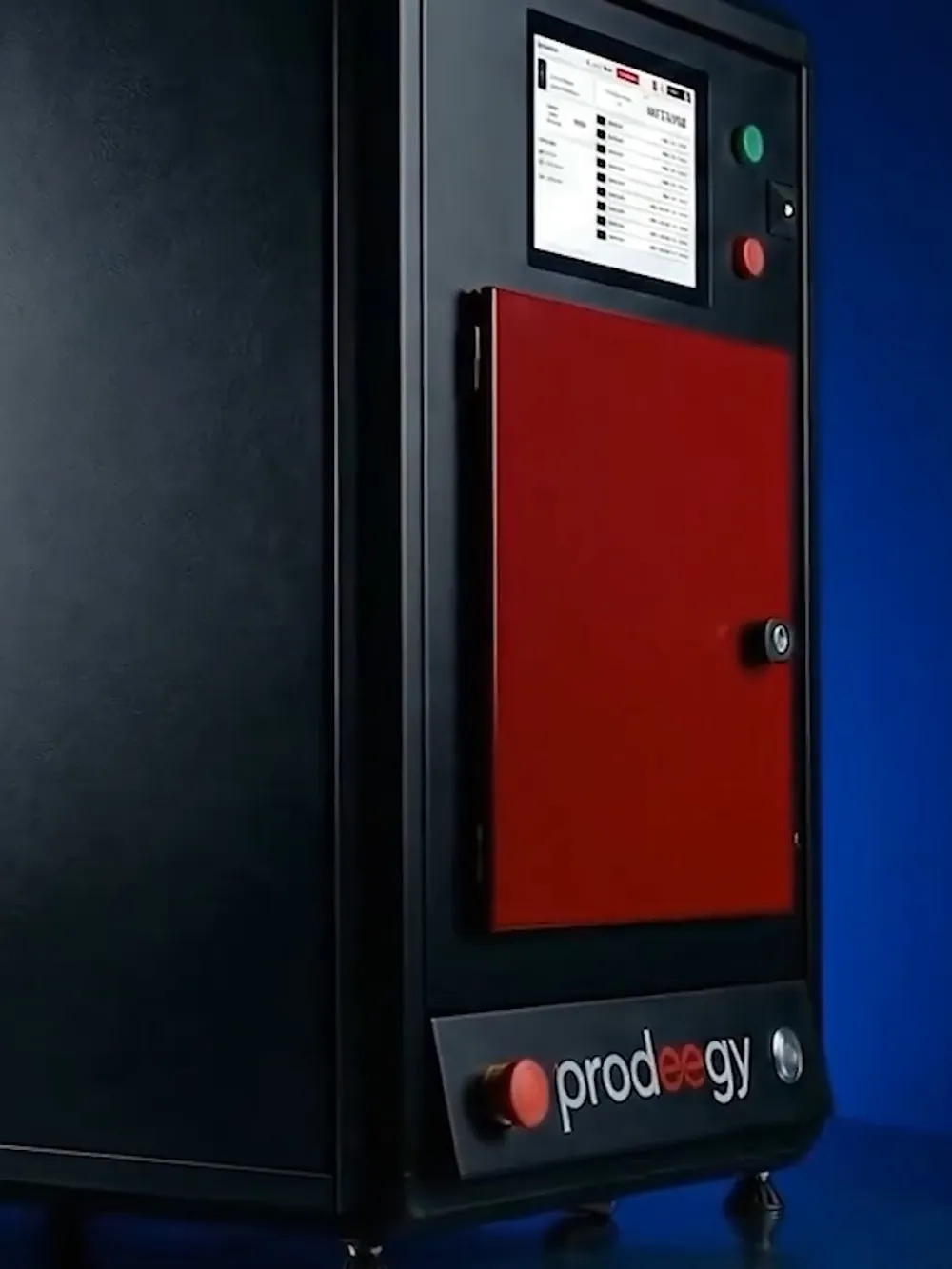
Industrial light is bad and inconsistent. The palette had to survive it: a single signal red for anything requiring attention, a hard neutral scale for everything else, and no colour used decoratively anywhere. Type sizes were set from a viewing distance, not a viewport. The same charter now carries the Prodeegy brand off the factory floor and onto the product site.
03 — Development
React, TypeScript, and a model that never drops a frame.
The 3D scene runs on a fixed budget: one draw call per segment, geometry merged at build time, and a Node service streaming joint telemetry and inference results over a socket. The renderer only wakes when values change, so an idle bench costs nothing — and a test sequence is data the operator authored, never a build the team has to ship.
04 — Outcome
A test read in seconds, not minutes.
Operators stopped cross-referencing the code sheet. The timeline turned post-mortems from an archaeology exercise into a scrub-and-point conversation, and the component library outlived the project into two other internal tools. Prodeegy went to market on it — qualification, mass production and refurbishment now run through the same interface.
Stack
- React
- TypeScript
- Three.js
- Node.js
- Storybook
Services
- Art direction
- Design system
- UI / UX design
- Frontend development
- QA
Images
- Imagery — Exceenis / Prodeegy
Start something